Injection Molding
High volume production with the precision of a custom shop.
From prototype to 25,000 plus part runs, built on automated, self-diagnostic presses.
How Injection Molding Works
Injection molding shapes plastic by heating resin until it flows, then forcing it into a steel mold under high pressure. The material fills the cavity in under a second, then cools and hardens into the finished part. It is the manufacturing method behind automotive components, medical devices, mechanical parts, and countless consumer products.
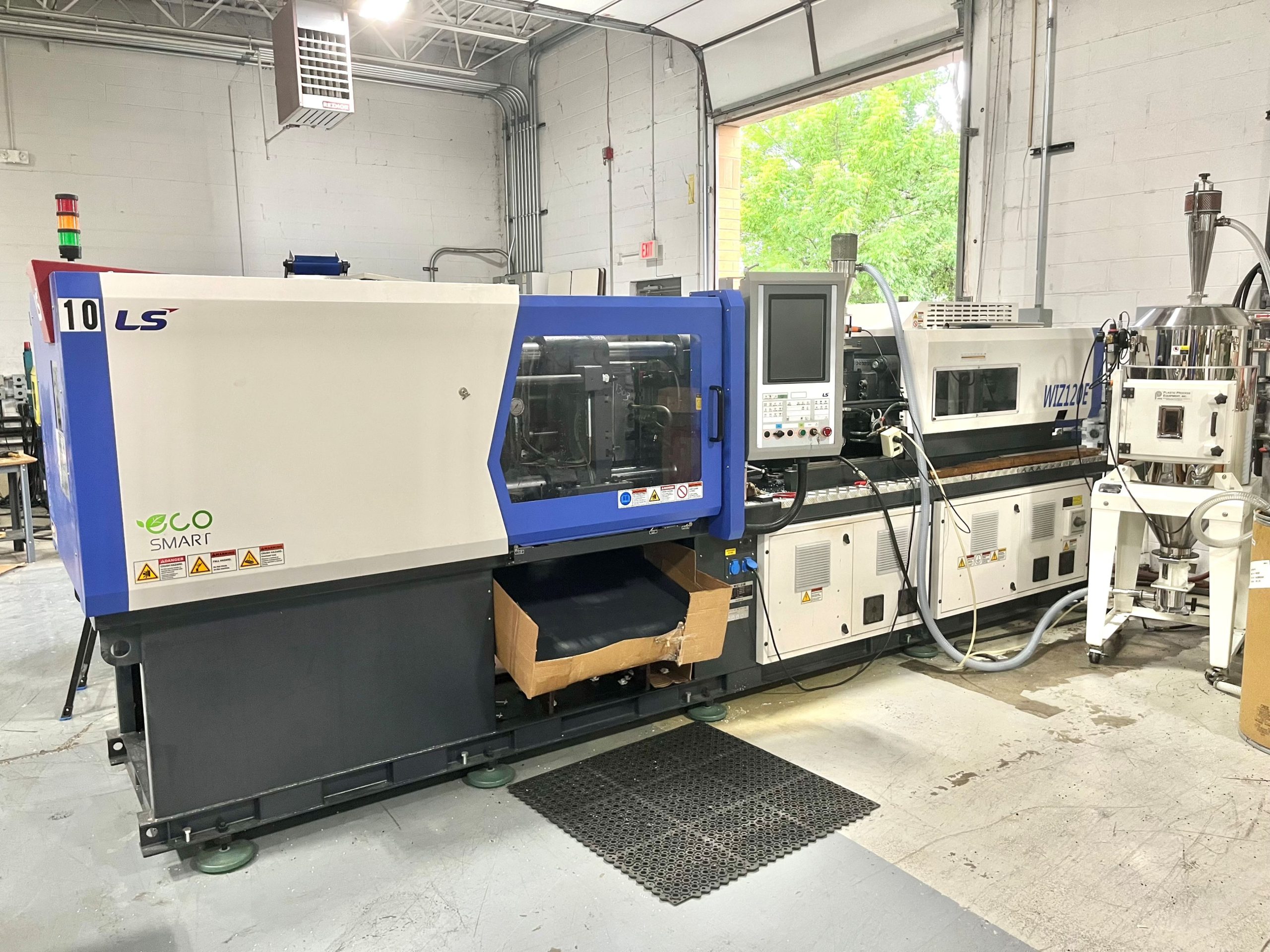
Our presses are equipped with robotic part removal, self-diagnostic controls, and microprocessor management, so quality is monitored at every step, from the first shot to the final inspection.
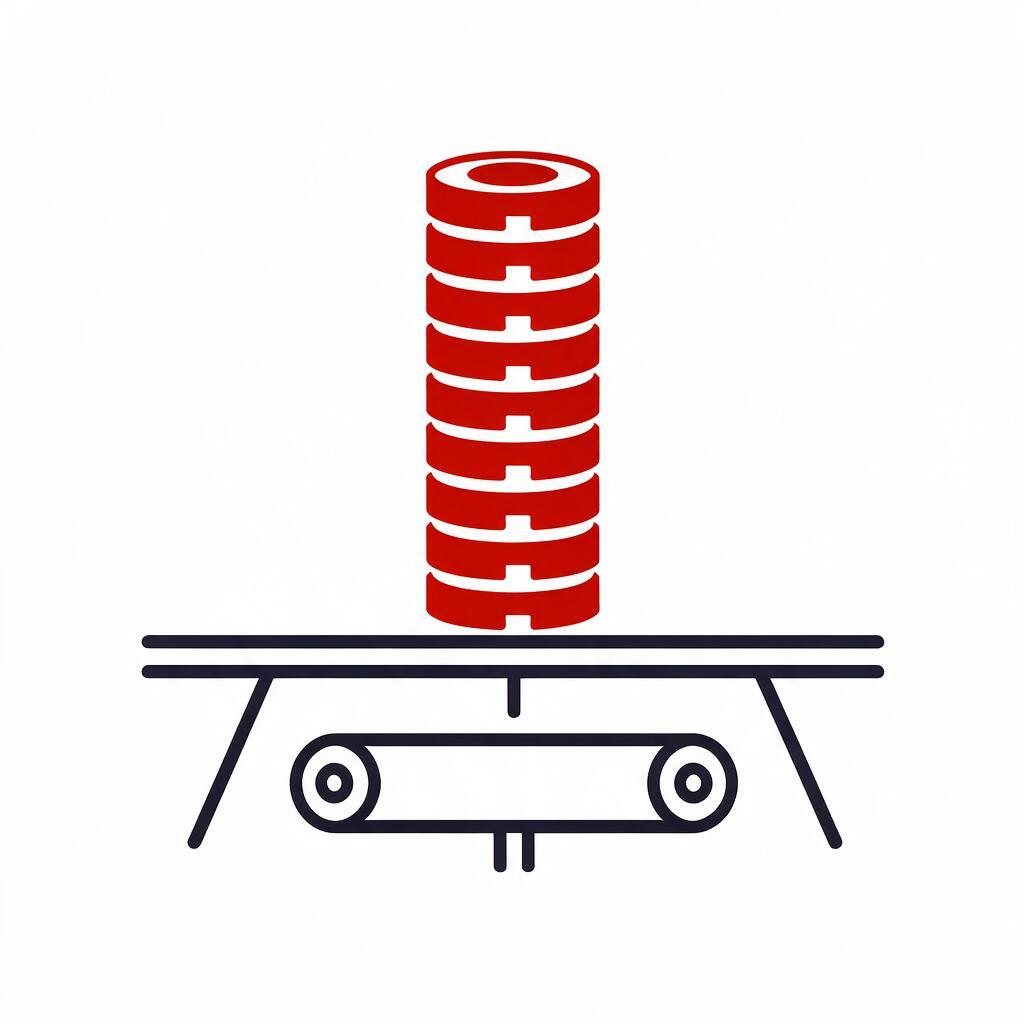
High-Volume Production
Custom production runs from 250 to 25,000 plus parts, with smaller orders scaled into larger ones as demand grows.
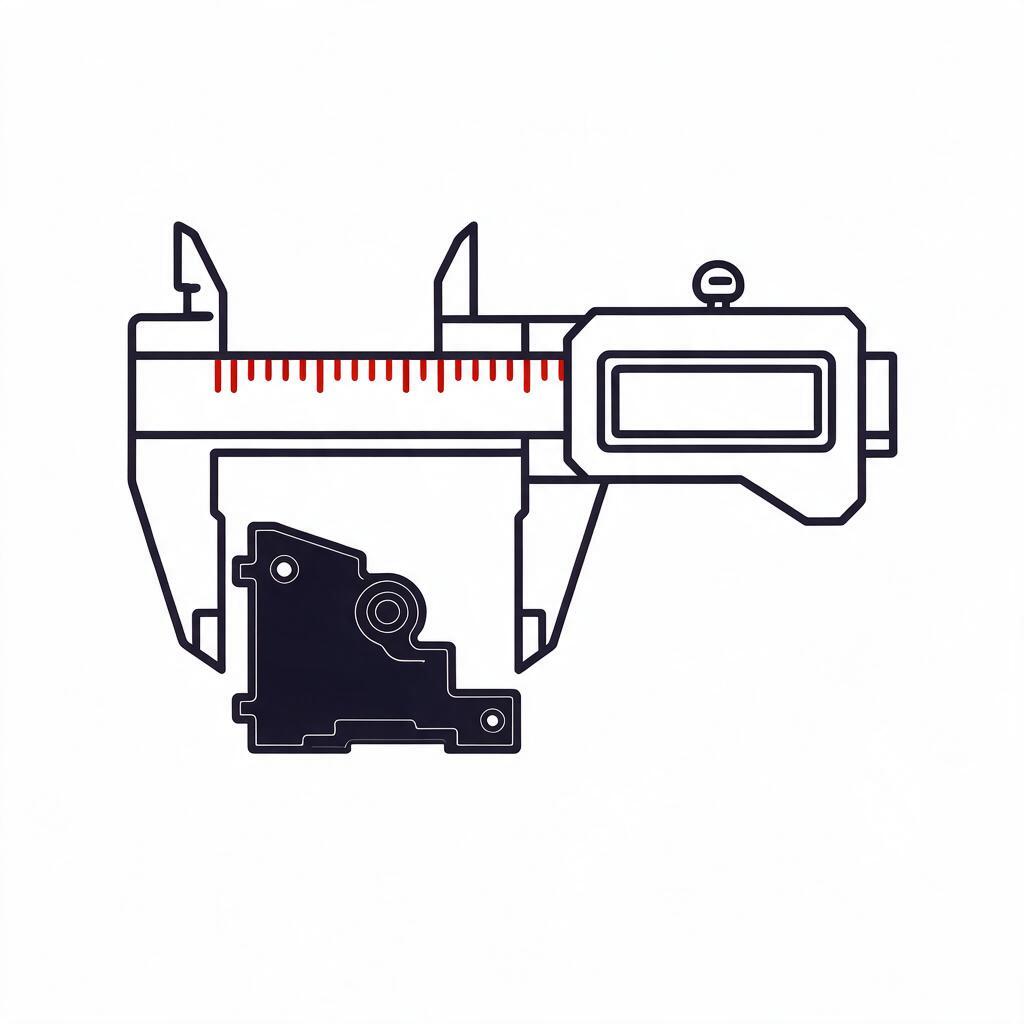
Precision Tolerances
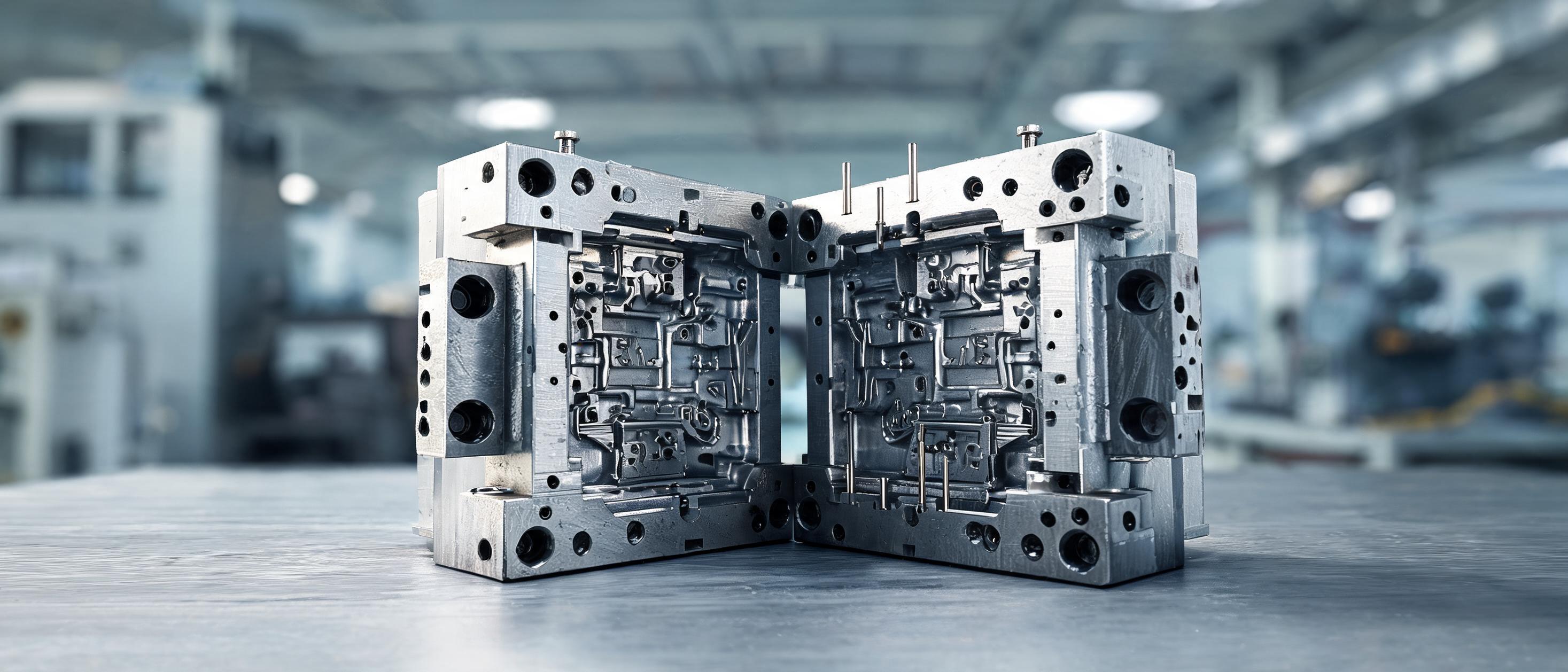
Molds are machined to exact precision, with careful resin selection so thousands of parts reproduce the same intricate details.
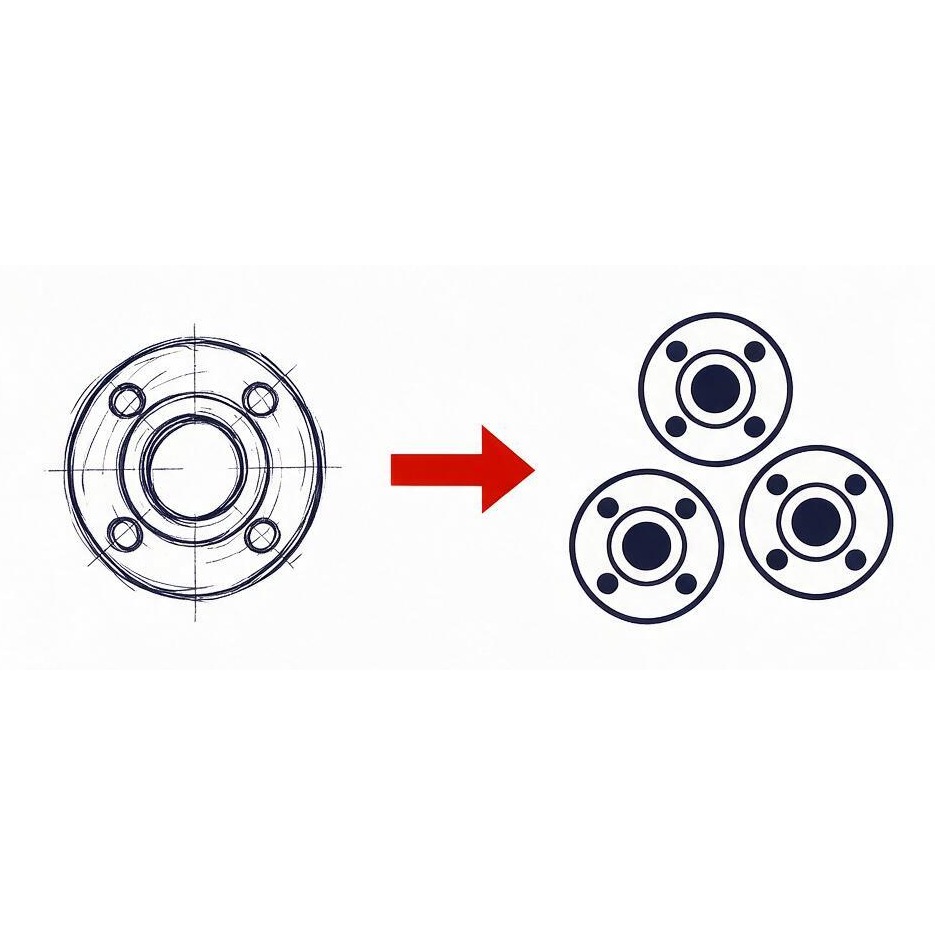
Prototype to Production
Move from a functional prototype to full production without switching partners or losing design intent.

Sustainable Practices
Nontoxic colorants, cleaners, lubricants, and resins where available, plus scrap recycling that keeps our process cleaner for our team and yours.
Turnaround That Keeps Projects Moving
Top quality parts are typically ready in as little as 10 days once a mold is approved and running. Automated equipment keeps labor costs down and reduces the margin for human error, so those savings pass through to you along with a faster path to market.
We support both prototyping and on-demand manufacturing. Prototyping gives you design feedback and functional validation before you commit to full production. On-demand manufacturing keeps inventory lean, with parts produced as you need them instead of sitting in a warehouse.
Industries We Mold For
Design Flexibility, Built In
Frequently Asked Questions
What is the difference between prototyping and on-demand production?
Prototyping is used early, to validate a design with small quantities before committing to tooling and full production. On-demand manufacturing supports ongoing, lower-volume runs, so you can manage inventory without warehousing large part quantities.
How many presses does Crestwood run, and what sizes?
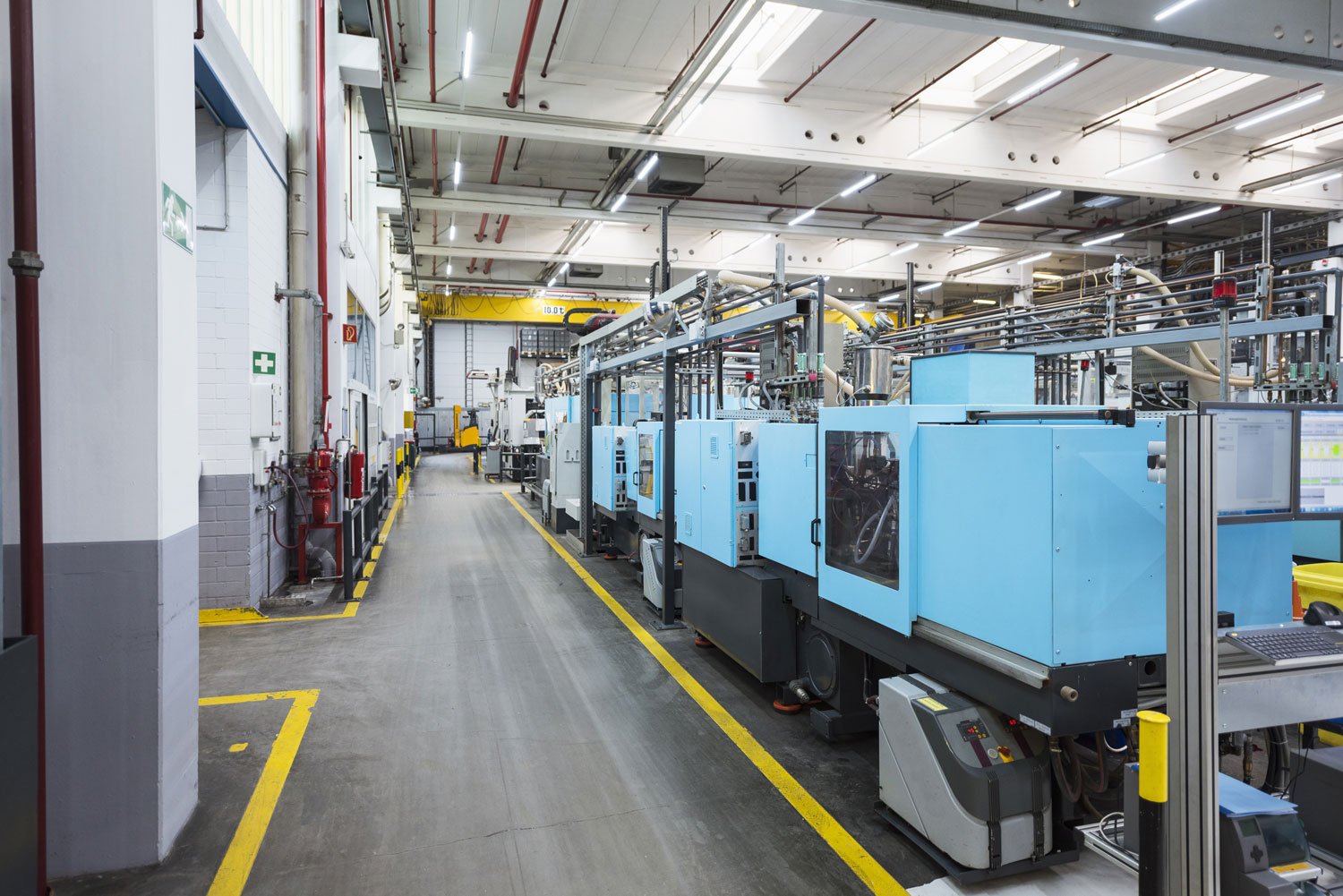
Our press fleet covers a range of tonnage and shot sizes, giving us the flexibility to run small precision components and larger parts on the same floor. Ask us about the right press and tooling combination for your specific part.
What secondary operations do you offer?
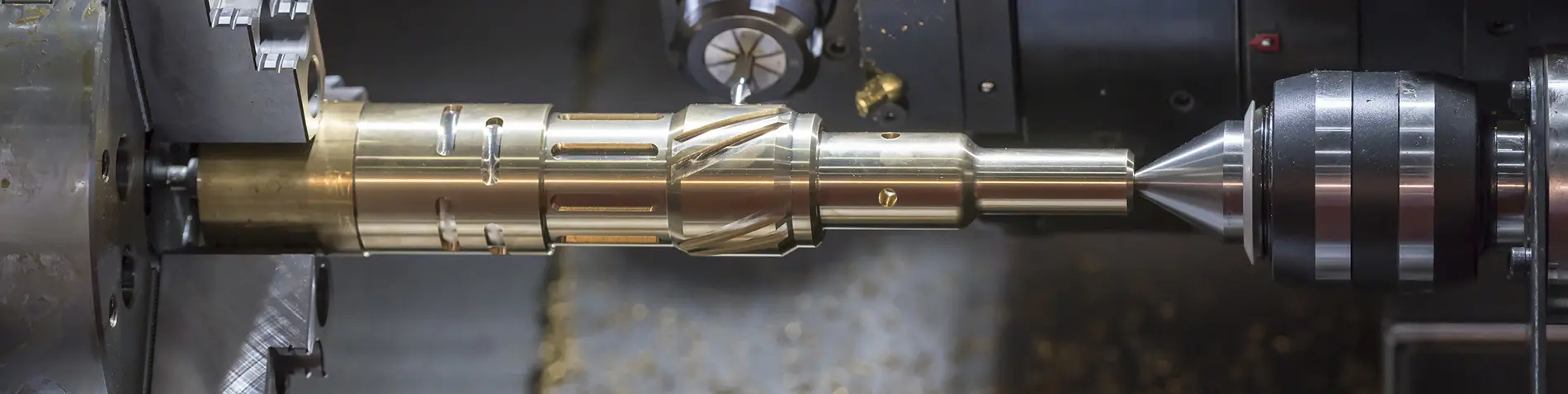
We handle assembly, testing, milling, sonic welding, tapping, and drilling in house, so your parts leave finished and ready to use rather than requiring a second vendor.
Ready to Scale Your Production?
Send us your part and target volume, and we will map out the fastest path from mold to finished product.
GET A QUOTE