Precision Tooling
Precision tooling is where quality starts.
Family tools, multi-cavity molds, and engineering support from a shop in Mundelein, Illinois.
Milling, Shaping, and Fabricating to Intricate Specifications
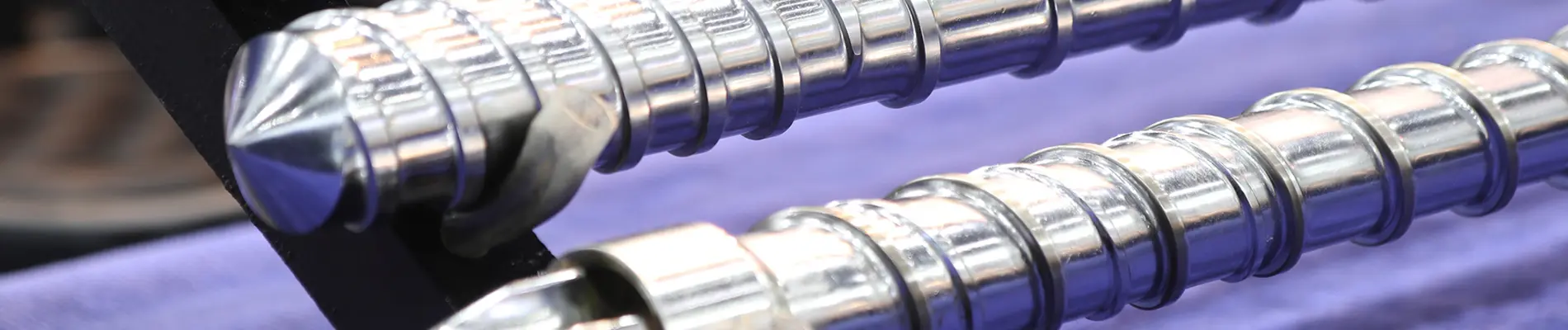
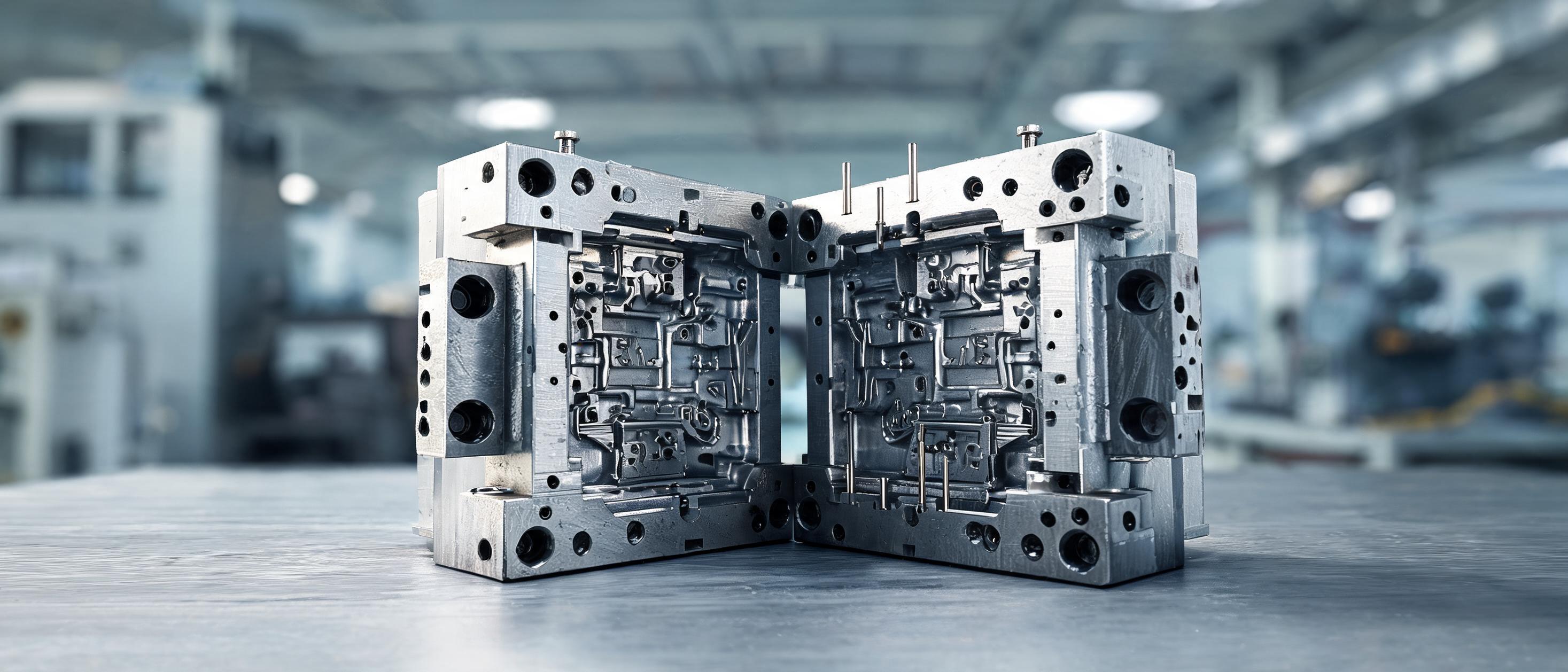
Precision tooling, sometimes called precision injection molding, is the craft of milling, shaping, and fabricating components to match intricate specifications. Contoured grooves, chamfer edges, and contoured slots are all part of the job. Computer-aided design and durable tool steel, cut with carbide for added strength, make it possible to hold tolerances that generic tooling simply cannot.
The tooling process is a critical part of manufacturing, not a line item to shop around on price. Today’s tool engineering techniques make precision tooling more cost effective than many businesses expect, especially when weighed against the cost of scrapped parts or a mold that cannot hold spec.
Family & Multi-Cavity Tools
Tools engineered to run multiple parts or multiple cavities per cycle, built for both short and long production runs.
Tool Transfer & Re-Shoring
We take in tools from other suppliers, evaluate them, and bring production back to the United States without losing quality.
Process Development
Tool testing and process development confirm a mold is ready for production before it ever runs a full order.
Engineering Support
Input on design, manufacturability, and viability, so problems get caught on paper instead of on the production floor.
Why Precision Tooling Matters
A precision tool lowers your total cost, not just your tooling quote. It produces specialized parts quickly, reduces material waste, and gives you a stronger, more efficient end product. Manufacturing, medical, and semiconductor industries are all demanding higher standards from precision tooling, and Crestwood has built its reputation meeting exactly that demand.
- Tool transfer for consolidation and re-shoring
- Tool maintenance, repair, modification, and reconditioning
- Process development for accuracy and tool testing for quality
- Design of family tools and other custom tooling
- Engineering input on design, manufacturability, and viability
Not All Tolerances Are Created Equal
| Tolerance Class | Typical Range | Best For |
|---|---|---|
| Standard tooling | 0.005 in (5 thousandths) | General commodity parts, low-cost tooling |
| Precision tooling | 0.001 to 0.003 in (1 to 3 thousandths) | Engineered components, tight-fit assemblies |
| Specialized precision | Down to 2 microns | Medical devices, optical and electronic components |
The tighter the tolerance class, the more it depends on tool steel quality, machining precision, and process control, all built in-house at Crestwood.
Built Across Decades of Tooling Work
Cold forming is part of our toolkit too, adding mechanical strength to a part where straight injection molding alone would not hold up.
Our tooling experience spans well beyond medical and industrial parts. Over the years we have built tools for novelty items, electronics, home building products, and recreational equipment, alongside the tight-tolerance work we are known for today.
Frequently Asked Questions
What industries rely most on precision tooling?
Manufacturing, medical device, and semiconductor industries are seeing the fastest growing demand for precision tooling, driven by rising standards for reliability and tight tolerances.
Can Crestwood transfer a tool from our current supplier?
Yes. Tool transfer and re-shoring is one of our core precision tooling services. We evaluate the incoming tool, document its condition, and bring production online without a drop in quality.
Do you offer engineering support before a tool is built?
Yes. We provide input on design, manufacturability, and viability early in the process, which helps avoid costly tooling changes later.
Have a Tooling Challenge?
Bring us your design, or your existing tool, and we will map out the right precision tooling approach.
GET A QUOTE